
Water has a quiet way of disappearing. It runs down drains, evaporates into the air, soaks into soil, or leaks behind walls without fanfare. Most homeowners don’t think about it until a bill spikes or a stain appears on the ceiling. But water efficiency isn’t just about lowering monthly costs. It’s about protecting your home’s structure, reducing energy use, and building habits that make daily life more sustainable.
The encouraging news is that meaningful water savings don’t require a total renovation. They come from thoughtful upgrades, preventative maintenance, and a clearer understanding of how water moves through and around your home. When you address waste at its source—inside pipes, across your roofline, and throughout your yard—you create a system that works smarter, not harder.
Water conservation also improves energy efficiency in ways many homeowners overlook. Heating water accounts for a significant portion of household energy use. The less hot water you waste, the less energy your system consumes. That connection alone makes water-saving upgrades doubly valuable.
Below are practical, in-depth improvements that help reduce water waste while improving comfort and long-term property value.
Upgrade Plumbing Fixtures To Eliminate Everyday Waste
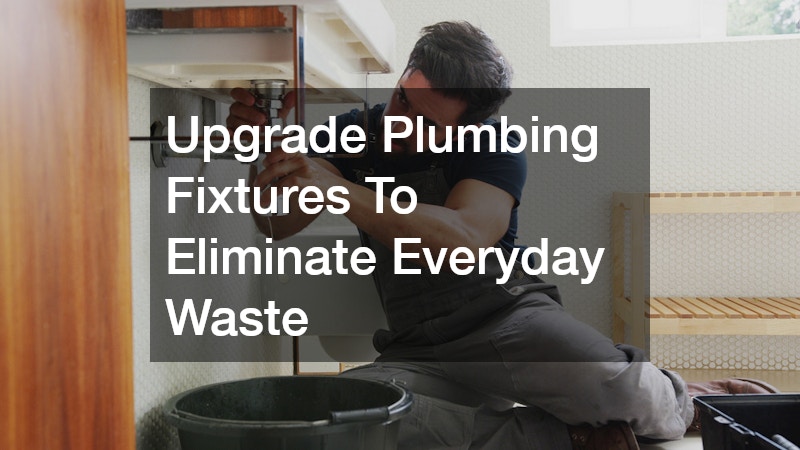
Start inside. The average household loses thousands of gallons each year to small, unnoticed leaks. A dripping faucet may seem harmless, but over time, it becomes an expensive habit.
Begin with a simple walkthrough:
- Turn off all water sources in the home.
- Check your water meter and wait 15-30 minutes.
- If the meter changes, there is likely a hidden leak.
Toilets are common culprits. A worn flapper valve can allow water to run continuously, often without any audible sound. Adding a few drops of food coloring to the tank and waiting 10 minutes can reveal silent leaks if color appears in the bowl.
Replacing outdated fixtures is one of the fastest ways to reduce consumption. Consider upgrading:
- Low-flow showerheads
- Faucet aerators
- High-efficiency toilets
- Touchless or metered bathroom faucets
If you discover corrosion, uneven pressure, or recurring leaks, it may be time to consult a plumbing contractor. Aging supply lines and poorly sealed joints can waste water behind walls for months before damage becomes visible.
It’s also worth checking water pressure levels. Excessively high pressure stresses pipes and increases daily water use. Installing a pressure-reducing valve protects your plumbing while lowering overall consumption.
Simple fixture upgrades often pay for themselves within a few years—and they set the stage for broader efficiency throughout your home.
Install Whole Home Filtration To Reduce Bottled Water Dependence
Water conservation isn’t only about flow rate. It’s also about behavior. If your household relies heavily on bottled water, you’re increasing both plastic waste and the hidden water footprint required to manufacture and transport those bottles.
A reverse osmosis system provides a practical alternative. Installed under a sink or integrated into the home’s supply, it delivers purified drinking water directly from the tap.
Families who switch often notice three changes:
- Fewer plastic bottles in the trash
- Increased daily water consumption from convenience
- Reduced long-term household costs
Maintenance matters. Filters must be replaced according to manufacturer guidelines. Neglecting maintenance reduces performance and may increase water waste during filtration cycles.
In homes with hard water, filtration can also reduce mineral buildup. That means fewer scale deposits in kettles, dishwashers, and water heaters—ultimately improving both efficiency and longevity of appliances.
Over time, this shift becomes about more than drinking water. It reinforces a broader awareness of how resources move through your household.
Prevent Roof And Exterior Leaks Before They Waste Water
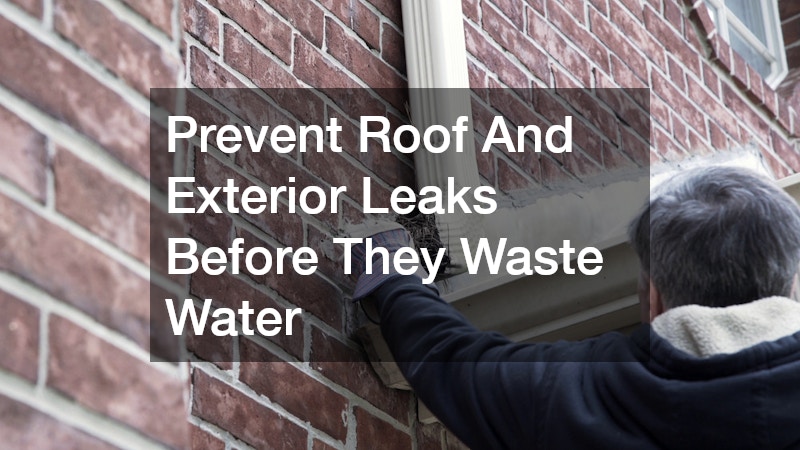
Water doesn’t only exit through drains—it enters from above. A small roof leak can quietly saturate insulation, weaken framing, and increase indoor humidity.
After major storms, perform a simple exterior check:
- Look for missing or curling shingles
- Inspect flashing around vents and chimneys
- Check gutters for excessive granules
Inside the home, watch for:
- Ceiling discoloration
- Bubbling paint
- A persistent musty smell
A qualified residential roofer can identify subtle vulnerabilities before they escalate. Sometimes targeted repairs are enough. In other situations, reroofing with modern materials offers improved moisture resistance and longer-term protection.
Modern roofing systems often include:
- Advanced underlayment barriers
- Improved ventilation design
- Moisture-resistant decking materials
Think of your roof as a primary water control system. When it functions properly, it channels rainfall safely away. When compromised, it invites waste and structural damage.
Improve Siding And Window Sealing To Protect Against Moisture Loss
Exterior walls regulate moisture just as much as they provide structure. Even small cracks in siding or poorly sealed window frames allow water intrusion.
You might first notice:
- Warped trim
- Soft spots in siding
- Condensation forming between the window panes
A professional inspection from a siding contractor can uncover hidden weak points. Updated siding materials offer tighter seams and improved moisture barriers.
Likewise, window services can address:
- Failing weatherstripping
- Damaged caulking
- Drafty or outdated glass
Sealing these gaps protects insulation performance and prevents mold growth. It also stabilizes indoor humidity, reducing the need for dehumidifiers and excess climate control adjustments.
Moisture management and water efficiency are closely connected. When your home’s exterior envelope is secure, interior systems operate more efficiently.
Optimize Outdoor Irrigation Without Overwatering
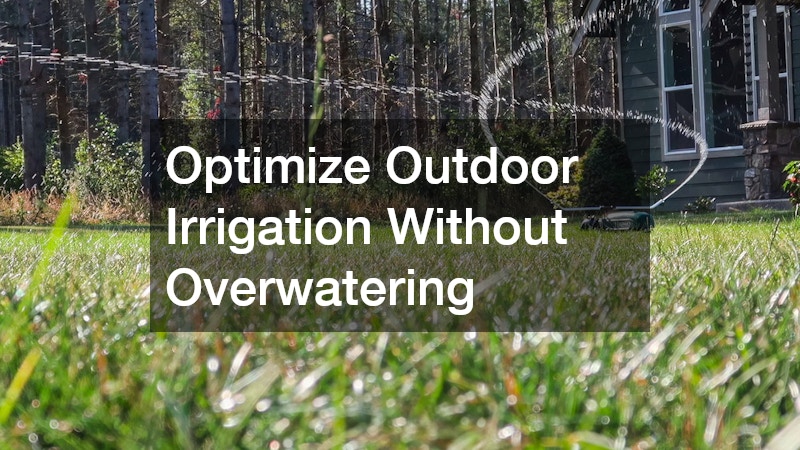
Landscaping is often the largest source of seasonal water consumption. But the goal isn’t eliminating greenery—it’s watering with precision.
Start with timing. Early morning irrigation minimizes evaporation. Midday watering often results in significant loss before moisture reaches roots.
Evaluate your irrigation system carefully:
- Are sprinklers hitting pavement?
- Is water pooling in certain areas?
- Do some zones receive more water than others?
Installing moisture sensors prevents unnecessary cycles. Drip irrigation systems deliver water directly to root zones, dramatically reducing waste.
Healthy landscaping also depends on thoughtful tree care. Pruning, mulching, and soil conditioning improve moisture retention and reduce excessive watering. A local tree service can recommend drought-tolerant species suited to your climate.
When landscaping is designed strategically, it requires less maintenance—and far less water.
Maintain Pools To Avoid Excessive Water Loss
Pools can be both enjoyable and resource-intensive. Evaporation alone can account for substantial water loss during warmer months.
A few simple strategies make a measurable difference:
- Use a pool cover when not in use
- Monitor water levels weekly
- Check for visible cracks or damp soil nearby
If levels drop faster than expected, Swimming pool repair may be necessary. Small structural leaks can waste hundreds of gallons weekly.
Routine pool maintenance also reduces waste. Clean filters improve circulation efficiency and reduce the need for frequent backwashing, which conserves water. Balanced chemical levels prevent unnecessary draining and refilling.
Programming pumps to operate only as long as needed also reduces both energy and water waste.
Responsible pool ownership aligns comfort with conservation.
Capture And Redirect Rainwater For Smart Reuse
Rainwater often flows away unused. With minimal adjustments, it becomes a valuable resource.
Simple rain barrels placed beneath downspouts collect water for:
- Garden irrigation
- Washing outdoor tools
- Cleaning patios
For larger properties, underground storage systems offer higher capacity and long-term drought support.
Before installation, check local regulations regarding rainwater harvesting. When implemented properly, these systems reduce reliance on municipal water supplies and lower seasonal bills.
Capturing rain reframes your relationship with water—from passive consumption to active management.
Upgrade Appliances For Water And Energy Efficiency
Older washing machines and dishwashers use far more water than necessary. Replacing them with efficient models provides measurable savings over time.
When shopping, look for:
- WaterSense certification
- ENERGY STAR labeling
- Adjustable load-size settings
Daily habits matter just as much:
- Run full loads only
- Use eco modes when available
- Wash clothes in cold water
If replacement isn’t immediate, maintain existing appliances by cleaning filters and checking hoses for leaks. Small upkeep steps improve performance and prevent waste.
Over a decade, efficient appliances have reduced thousands of gallons of water use.
Create A Household Water Monitoring System
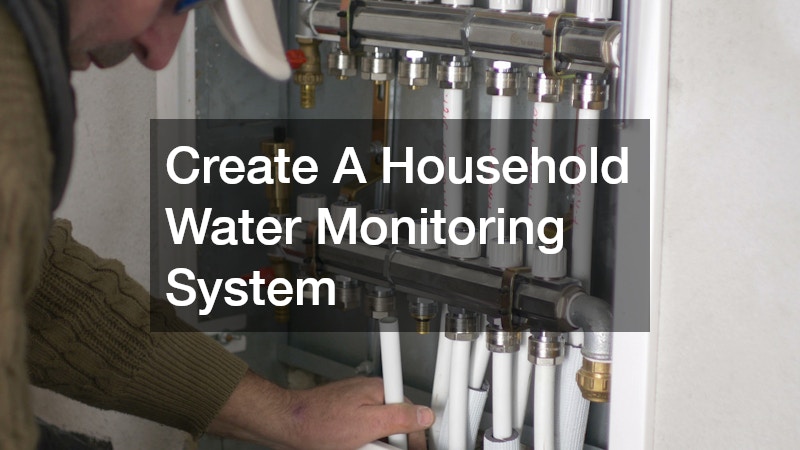
Water use often goes unnoticed because it isn’t visible. Monitoring changes that.
Smart water monitors attach to your supply line and detect unusual flow patterns. Even without advanced technology, reviewing monthly bills can reveal trends.
Set realistic household goals such as:
- Reduce overall monthly consumption by 10 percent.
- Shorten average shower times.
- Limit lawn watering to designated days.
When everyone understands the goal, conservation becomes collaborative. Children learn awareness. Adults adopt mindful routines.
Measurement turns good intentions into measurable progress.
Build A Seasonal Water Saving Maintenance Plan
Water use changes throughout the year. Creating a seasonal checklist prevents oversight. Instead of reacting to leaks, spikes in usage, or weather-related damage, you stay ahead of problems. A structured approach also spreads responsibilities across manageable intervals, making water conservation feel practical rather than overwhelming.
Below is a more detailed breakdown of what each season should include and why those tasks matter.
Spring: Reset And Inspect After Winter
Spring is about recovery and preparation. Freezing temperatures, heavy rain, and dormant systems can leave hidden damage behind.
Inspect outdoor spigots
Turn each spigot on and observe water flow. Look for:
- Dripping after shutoff
- Reduced pressure
- Water is pooling around the foundation
A cracked pipe inside the wall may not be visible immediately, but weak pressure or interior dampness can signal a problem.
Test irrigation systems
Before committing to a regular watering schedule:
- Run each zone briefly.
- Check for misaligned sprinkler heads.
- Look for uneven spray patterns.
Small adjustments now prevent overwatering and wasted runoff throughout the summer.
Clear debris from drainage areas
Winter storms often clog drainage paths with leaves and sediment. Clear:
- Downspouts
- Yard drains
- Surface channels
Good drainage protects foundations and prevents water from collecting where it can seep into basements or crawl spaces.
Spring sets the tone for the year. A careful inspection now avoids compounding problems later.
Summer: Monitor Peak Usage Carefully
Summer is typically the highest water-use season. Outdoor irrigation, increased laundry, and frequent showers all contribute to higher demand.
Adjust watering schedules
Avoid watering during midday heat when evaporation is highest. Early morning cycles are far more efficient. If rainfall increases, reduce scheduled watering rather than letting the system run automatically out of habit.
Monitor evaporation
Pools, lawns, and garden beds lose moisture quickly in high temperatures. Instead of automatically increasing water supply, consider:
- Using mulch around plants
- Installing drip irrigation
- Covering pools when not in use
Reducing evaporation is often more effective than adding more water.
Check for leaks during peak use
High usage can expose weaknesses in plumbing or irrigation lines. Walk your yard and inspect:
- Soft, muddy patches
- Unexpected puddles
- Sudden drops in pressure
Peak season stress can turn small cracks into significant waste if ignored.
Fall: Prepare For Dormancy And Protection
Fall is a transition period. The goal is to reduce exposure to winter damage while correcting any issues from heavy summer use.
Seal exterior gaps
Inspect window frames, siding seams, and foundation penetrations. Sealing small openings prevents water intrusion during fall storms and winter snow.
Clear gutters
Leaves and debris block proper flow. Overflowing gutters can:
- Damage siding
- Saturate soil near the foundations
- Contribute to basement moisture
A simple cleaning protects both water flow and structural integrity.
Prepare irrigation systems for shutdown
Before freezing temperatures arrive:
- Drain outdoor lines.
- Shut off water supply valves.
- Blow out remaining water if necessary.
Residual water left in pipes can freeze, expand, and cause costly damage.
Fall maintenance is about protection—preventing small issues from becoming winter emergencies.
Winter: Prevent Freeze-Related Damage
Winter water management focuses on defense. Frozen water expands, and that expansion can rupture pipes quickly.
Insulate exposed pipes
Pay close attention to:
- Garage plumbing
- Crawl spaces
- Basement walls
Pipe insulation sleeves are inexpensive and significantly reduce freeze risk.
Monitor indoor humidity
Cold air holds less moisture. Excess humidity indoors can lead to condensation on windows and walls. Balanced humidity protects insulation and reduces mold risk.
Watch for freeze-related leaks
If temperatures drop significantly:
- Open cabinet doors under sinks to allow warm air circulation.
- Let faucets drip slightly during extreme cold snaps.
Even small preventative actions reduce the chance of burst pipes.
Seasonal planning spreads maintenance tasks across the calendar and reduces emergency repairs. Instead of facing sudden water damage or inflated utility bills, you build steady, manageable routines. Over time, this rhythm becomes second nature—and your home benefits from consistent, proactive care year after year.
Water efficiency is not achieved through one dramatic upgrade. It emerges from dozens of intentional decisions—tightening a seal, adjusting a sprinkler, replacing a worn valve, capturing rain instead of discarding it.
Each improvement reinforces the others. When plumbing runs efficiently, less water is wasted indoors. When roofing and siding repel moisture effectively, insulation performs better. When landscaping is designed with intention, irrigation becomes precise rather than excessive.
Small improvements made today often prevent major repairs tomorrow. Water efficiency is ultimately about awareness—paying attention to how your home uses resources and responding before waste becomes damage.
Water will always move. The goal is not to stop it, but to guide it wisely.

