
Choosing the right roofing material is one of the most important decisions a homeowner can make when building or replacing a roof. Durability, cost, aesthetics, and climate suitability all play a role in determining the best option. Most roofing suppliers offer a core set of materials that balance performance and value, giving homeowners practical choices that suit a wide range of property types and budgets. Understanding these common materials can help you make a more informed decision before committing to a major installation.
1. Asphalt Shingles and Their Widespread Appeal
Asphalt shingles are one of the most commonly offered options by suppliers, and for good reason. They are affordable, versatile, and relatively easy to install compared to many other roofing materials.
This makes them a go-to choice for residential properties across a wide range of climates.
Typically made from a fiberglass or organic base coated with asphalt and mineral granules, these shingles provide reliable protection against wind, rain, and moderate weather conditions. Their layered design helps shed water effectively, reducing the risk of leaks when properly installed and maintained.
One of the key advantages of asphalt shingles is their design flexibility. They are available in a wide range of colors and styles, allowing homeowners to match the roof to the exterior design of the home. Many suppliers stock architectural shingles as well, which offer a more dimensional appearance and improved durability compared to traditional three-tab options.
While asphalt shingles generally have a shorter lifespan than premium materials, they remain a practical choice for homeowners who want dependable performance without a high upfront investment. Their balance of affordability and functionality keeps them among the most popular roofing options on the market.
2. Metal Roofing for Strength and Longevity
Metal roofing has grown significantly in popularity as homeowners prioritize durability and energy efficiency. Many roofing suppliers offer metal options in materials such as steel, aluminum, and sometimes copper, each with its own strengths and aesthetic qualities.
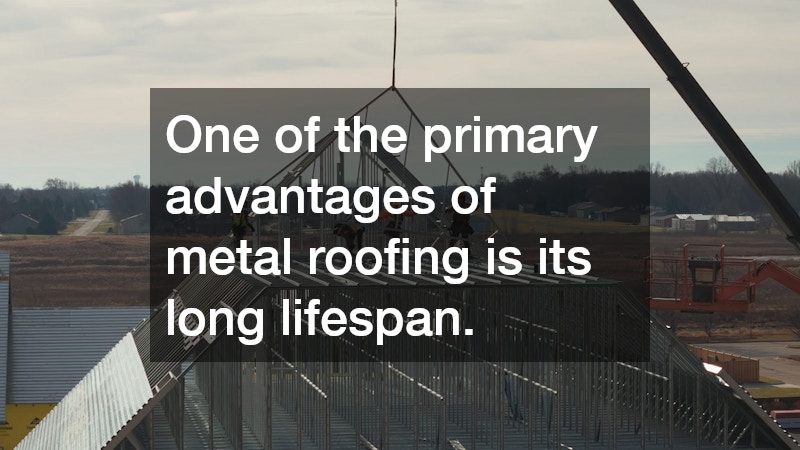
One of the primary advantages of metal roofing is its long lifespan. When properly installed, a metal roof can last several decades, often outperforming traditional asphalt systems. It is also highly resistant to fire, rot, and insect damage, making it a strong option for areas prone to extreme weather conditions.
Another important benefit is energy efficiency. Metal roofing reflects solar heat rather than absorbing it, which can help reduce cooling costs during warmer months. This makes it an attractive option for homeowners looking to improve overall energy performance in their homes.
Modern metal roofing systems also offer a wide variety of styles, including panels designed to mimic traditional shingles, tiles, or even slate. This means homeowners do not have to sacrifice appearance for performance. As a result, metal roofing has become a strong competitor in both residential and light commercial applications.
3. Clay and Slate Roofing for Premium Durability
Clay and slate roofing materials are often considered premium options due to their exceptional durability and distinctive appearance. While not as commonly used as asphalt or metal, they are still widely available through specialized suppliers for homeowners seeking long-term value and architectural appeal.
Clay tiles are known for their ability to withstand high temperatures and harsh sunlight, making them especially popular in warmer climates. They are also highly resistant to fire and can maintain their color and structure for decades with minimal maintenance. Their distinctive curved or flat profiles give homes a classic, Mediterranean-inspired aesthetic that many homeowners find appealing.
Slate roofing, on the other hand, is one of the most durable roofing materials available. It is made from natural stone and can last well over a century when properly installed. Its natural variation in color and texture creates a refined, elegant look that is often associated with historic or high-end properties.
However, both clay and slate come with higher installation costs and require a stronger structural foundation due to their weight. This makes professional assessment essential before choosing these materials. Despite the investment, their longevity and visual impact often make them worthwhile for homeowners planning to stay in their property long-term.
Selecting the right roofing material involves balancing budget, durability, appearance, and long-term performance. Asphalt shingles offer affordability and versatility, metal roofing delivers strength and energy efficiency, and clay or slate provides premium durability with a distinctive architectural look. Each option serves different needs, which is why consulting experienced roofing suppliers can be helpful when narrowing down choices.