

Keeping a home in good shape can feel overwhelming, especially when maintenance tasks, upgrades, and design decisions start piling up at the same time. Many homeowners juggle busy schedules while trying to stay ahead of repairs, improve comfort, and plan future improvements without letting small issues turn into costly problems. When everything feels reactive instead of intentional, even simple home care can become stressful. A more thoughtful, organized approach can make a noticeable difference in how manageable homeownership feels day to day. Simplifying home maintenance starts with understanding priorities and recognizing how different systems and features work together. When homeowners focus on long-term performance, safety, and livability rather than quick fixes, the entire process becomes more efficient and less intimidating. Breaking responsibilities into clear categories, knowing when to seek professional support, and planning improvements strategically allow a home to evolve smoothly over time while maintaining its value and functionality.
Understanding Essential Home Maintenance Needs

Every home relies on a network of systems that quietly support daily living, and maintaining them consistently is essential for long-term performance. Regular upkeep helps prevent unexpected disruptions, protects structural integrity, and reduces the risk of expensive emergency repairs. When maintenance is treated as a routine responsibility rather than an afterthought, homeowners gain better control over their property and can plan improvements with greater confidence. This proactive mindset also makes it easier to identify small concerns before they escalate into larger issues. Some maintenance needs are less visible but just as critical as more obvious repairs. For example, septic pumping services play a key role in protecting both household plumbing and the surrounding environment by ensuring waste systems function properly over time. Ignoring these behind-the-scenes tasks can lead to serious complications that affect comfort, safety, and property value. Understanding which services are essential and how often they should be addressed helps homeowners create a maintenance schedule that supports long-term reliability.
Choosing the Right Professionals for Repairs
When repairs are needed, choosing the right professionals can make a significant difference in the quality and longevity of the work. Skilled specialists bring experience, efficiency, and insight that help resolve issues correctly the first time. Beyond technical ability, dependable professionals communicate clearly, follow safety standards, and understand how their work fits into the broader needs of the home. Building relationships with trusted experts reduces stress and ensures consistent care across different projects. Plumbers are a prime example of professionals whose expertise directly affects everyday comfort and functionality. From resolving leaks to maintaining water systems, their work requires precision and a strong understanding of residential infrastructure. Hiring qualified professionals for these tasks not only protects the home from potential damage but also helps homeowners make informed decisions about repairs versus upgrades. With the right support, repairs become an opportunity to improve efficiency rather than simply fix a problem.
Managing Routine Services Efficiently
Routine services are the backbone of a well-maintained home. Scheduling regular check-ups, inspections, and preventive work ensures that systems operate smoothly and reduces the likelihood of sudden malfunctions. When homeowners develop consistent routines for tasks like cleaning, seasonal inspections, and small repairs, they can avoid costly emergency interventions while keeping their property comfortable and functional. Efficiency also comes from prioritizing work based on urgency and potential impact, making it possible to maintain a home without feeling overwhelmed. Electricians exemplify the importance of routine services in keeping a household safe and reliable. From checking wiring to inspecting circuit breakers, professional electricians help prevent hazards such as fires or power failures. Their expertise ensures that electrical systems function correctly, meet local codes, and are prepared for future upgrades. By integrating these services into a regular maintenance schedule, homeowners can preserve both safety and convenience while avoiding interruptions that could disrupt daily life.
Planning Upgrades That Add Long-Term Value
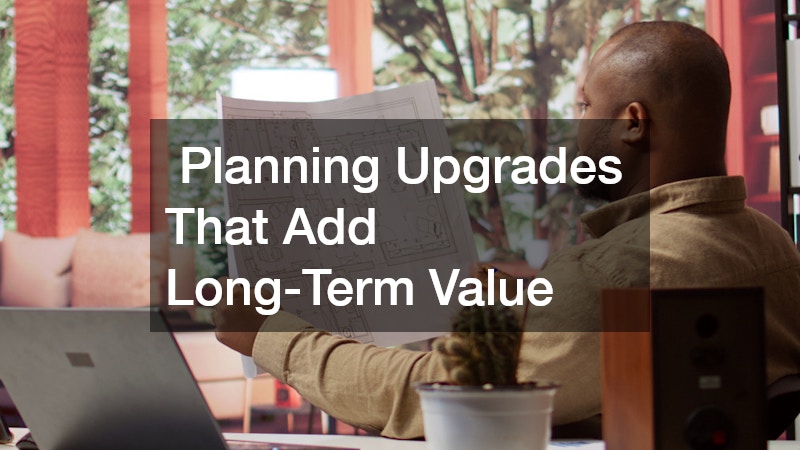
Upgrades are more than aesthetic choices; they are strategic investments in a home’s functionality and market value. Planning upgrades thoughtfully allows homeowners to balance style, comfort, and efficiency without overspending or introducing unnecessary complications. When upgrades are selected with a long-term perspective, they enhance daily living while providing tangible returns if the property is ever sold. This planning also helps homeowners avoid repetitive work or renovations that conflict with existing systems. For example, visiting a porcelain tile flooring store can be a crucial step when selecting durable and stylish surfaces for key areas such as kitchens, bathrooms, or entryways. The right flooring improves not only visual appeal but also functionality, safety, and longevity. By consulting with professionals and reviewing material options carefully, homeowners can choose upgrades that are well-suited to their lifestyle and that withstand everyday wear. Thoughtful planning ensures that improvements enhance the home for years to come.
Improving Safety Through Modern Systems
Safety is a central concern in any home, and modern systems play a critical role in protecting both residents and property. From fire prevention to secure electrical installations, investing in safety measures helps prevent accidents, reduces potential damage, and provides peace of mind. Incorporating safety upgrades into a maintenance plan ensures that the home meets current standards while minimizing risks associated with aging infrastructure or outdated equipment. Local fire sprinklers illustrate the impact of proactive safety systems. Installing and maintaining sprinklers can dramatically reduce the risk of fire damage, protect occupants, and support compliance with building codes. These systems require expert installation and regular inspection to remain effective, but the benefits far outweigh the investment. Homeowners who prioritize fire prevention measures not only safeguard their property but also create a safer environment for family and guests.
Enhancing Comfort With Functional Design
A well-designed home goes beyond aesthetics to create spaces that are comfortable, efficient, and tailored to the way people live. Functional design considers everything from natural light and airflow to furniture placement and accessibility, helping residents move through their home with ease. Thoughtful design reduces stress, supports daily routines, and ensures that rooms are adaptable as needs change over time. Comfort isn’t just about appearances; it’s about creating an environment that enhances everyday life. Blind replacement is a small yet impactful part of functional design. Updating window coverings can control light, reduce glare, improve privacy, and even influence temperature regulation within a room. By selecting blinds that fit both style and function, homeowners can make spaces more livable and energy-efficient. Working with professionals ensures proper measurement, installation, and operation, creating a seamless improvement that enhances both comfort and convenience.
Coordinating Indoor and Outdoor Improvements
Homes function best when indoor and outdoor spaces complement each other, creating a cohesive living environment. Coordination between interior and exterior projects ensures that design choices, materials, and layouts flow naturally, enhancing both aesthetics and usability. Planning improvements with a holistic perspective helps avoid conflicts between projects and maximizes the impact of each investment. When indoor and outdoor upgrades are synchronized, the home feels intentional, welcoming, and fully integrated. This kind of coordination also improves the overall lifestyle experience, allowing residents to move seamlessly between spaces while making entertaining, relaxing, or everyday routines more enjoyable. Considering the connections between color palettes, textures, and architectural features inside and outside helps create a visual continuity that elevates the overall appeal of the property.
A landscape designer can transform outdoor areas into functional and visually appealing extensions of the home. By considering factors such as plant selection, irrigation, seating areas, pathways, and lighting, a landscape designer ensures that outdoor spaces are usable, attractive, and low-maintenance. Their expertise allows homeowners to create gardens, patios, decks, and yards that complement interior living areas, improving the overall harmony of the property while adding long-term value and enjoyment. Beyond aesthetics, professional landscaping addresses practical concerns, such as drainage, erosion control, and sustainable plant choices that reduce water usage and maintenance demands. By integrating both design and functionality, a landscape designer helps homeowners make the most of their outdoor living spaces while ensuring a seamless flow with the interior, creating a balanced and intentional home environment that feels welcoming, practical, and visually cohesive.
Selecting Materials Built for Durability

Choosing materials that withstand time, wear, and environmental stress is a cornerstone of sustainable home improvement. Durable materials reduce the need for frequent replacement, minimize maintenance efforts, and provide consistent performance over years of use. Homeowners who invest in quality materials often see long-term savings and fewer disruptions, making each renovation or repair more worthwhile. Considering durability alongside style ensures that homes remain both functional and attractive. Thoughtful material selection also allows homeowners to address specific environmental challenges, such as moisture, temperature fluctuations, and exposure to sunlight, ensuring that surfaces and structures maintain their integrity under varying conditions. This approach encourages smarter, more strategic renovations that deliver both aesthetic appeal and long-term performance.
A fence contractor demonstrates the importance of selecting resilient materials for outdoor installations. By using high-quality wood, metal, or composite materials, homeowners can build fences that resist weather, pests, and daily wear. Expert contractors also ensure proper installation, which maximizes lifespan and minimizes the risk of damage or failure. In addition, professional guidance can help homeowners choose finishes, coatings, or treatments that further protect materials and extend their durability. A well-constructed fence does more than define property boundaries—it enhances privacy, improves safety, and adds visual appeal to outdoor spaces. Choosing the right materials with professional guidance creates structures that not only serve their purpose but also maintain their appearance, functionality, and value over time, making it a smart investment for both immediate enjoyment and long-term property preservation.
Balancing Aesthetics With Practicality
Creating a home that is both beautiful and functional requires thoughtful balance. Homeowners often face the challenge of selecting design elements that please the eye while supporting everyday use. Prioritizing practicality ensures that spaces are comfortable, durable, and easy to maintain without sacrificing style. This approach also helps avoid costly mistakes, such as choosing materials or layouts that look appealing but fail under regular wear or environmental stress. Thoughtful consideration of both design and function allows homeowners to create spaces that are visually cohesive, safe, and adaptable to changing needs over time. Small details, such as lighting placement, flooring durability, and storage solutions, can dramatically improve usability while complementing the overall aesthetic. Incorporating these elements thoughtfully results in a home that feels intentional rather than haphazard, improving both livability and long-term satisfaction.
A local painting contractor is a practical example of combining aesthetics and function. Beyond adding color, professional painting protects surfaces, prevents damage, and can even improve energy efficiency with reflective coatings. Skilled contractors understand how to choose paints and finishes that withstand daily use while enhancing the home’s visual appeal. Their expertise also helps homeowners select colors and textures that coordinate with furniture, flooring, and architectural features, ensuring a cohesive look throughout the home. Engaging professionals allows homeowners to achieve a polished, long-lasting finish that balances style and practicality effectively. With the right approach, aesthetic upgrades can also serve functional purposes, such as improving light reflection, masking minor imperfections, or providing surfaces that are easier to clean, making the home both beautiful and highly livable.
Creating a Cohesive Home Improvement Plan

A cohesive home improvement plan ensures that every project contributes to a unified vision for the property. Planning holistically reduces redundancy, helps allocate resources wisely, and avoids conflicts between projects. By mapping out priorities, budgets, and timelines, homeowners can achieve more significant results with less stress. A cohesive plan also allows flexibility for unexpected opportunities or repairs without derailing progress. Outdoor fireplaces illustrate the importance of strategic planning in home improvement. Installing a fireplace in an outdoor living area involves design, materials, safety, and integration with landscaping. When included in a broader improvement plan, the fireplace complements other features like seating, lighting, and pathways, creating a functional and inviting outdoor space. Planning carefully ensures that such upgrades enhance the home’s overall flow, usability, and enjoyment while providing long-term value.
Simplifying home maintenance, upgrades, and design is about more than completing tasks—it’s about approaching homeownership with intention, knowledge, and a long-term perspective. By understanding essential maintenance needs, coordinating improvements, and prioritizing safety, comfort, and durability, homeowners can create spaces that function well and feel welcoming. Taking the time to plan strategically allows projects to work together rather than compete, reducing stress and maximizing the impact of every investment. Incorporating professional expertise and high-quality materials ensures that both indoor and outdoor spaces are safe, attractive, and functional. From routine services to thoughtfully chosen upgrades, each decision contributes to a home that is efficient, enjoyable, and resilient. When homeowners adopt a proactive, organized approach, they not only protect their property but also enhance the quality of life for everyone who lives there. A cohesive, well-maintained home is the result of intentional choices that blend practicality, design, and long-term value—making the process of homeownership simpler, more rewarding, and more sustainable.